

Public speaking stress means different things to different people. For some, speaking in a meeting feels incredibly stressful, for others it’s standing in front of hundreds of people which they find challenging. Then there’s everything in between. Ultimately, it is for the individual to identify what they find stressful and to take action. The aim of this article is to provide you with some advice and tools to help you reduce the stress associated with public speaking in general. It is useful for exam stress.
Preparation
Being prepared is key and involves a number of factors:-
Practical preparation
Feel confident about what you plan to say
It is important to know your subject and your audience. Be clear about what you have been asked to speak about. Practise what you want to say so that it flows. Anticipate likely questions and prepare for them.
Research potential technical issues
Know what tech is available, at the venue, and how to use it. You might want to find out if there’s someone who could help you if there were issues. Consider tailoring your presentation to what you feel most comfortable with eg power point, slides, flip chat, white board.
Helpful practical tools
If you are presenting at a venue, perhaps on a stage, would it help you to have a chair to sit on or some kind of stand for notes? When we feel anxious, standing for long periods can make us feel worse. Ask yourself what would help you present well and, if necessary, ask the venue if they can have these items available.
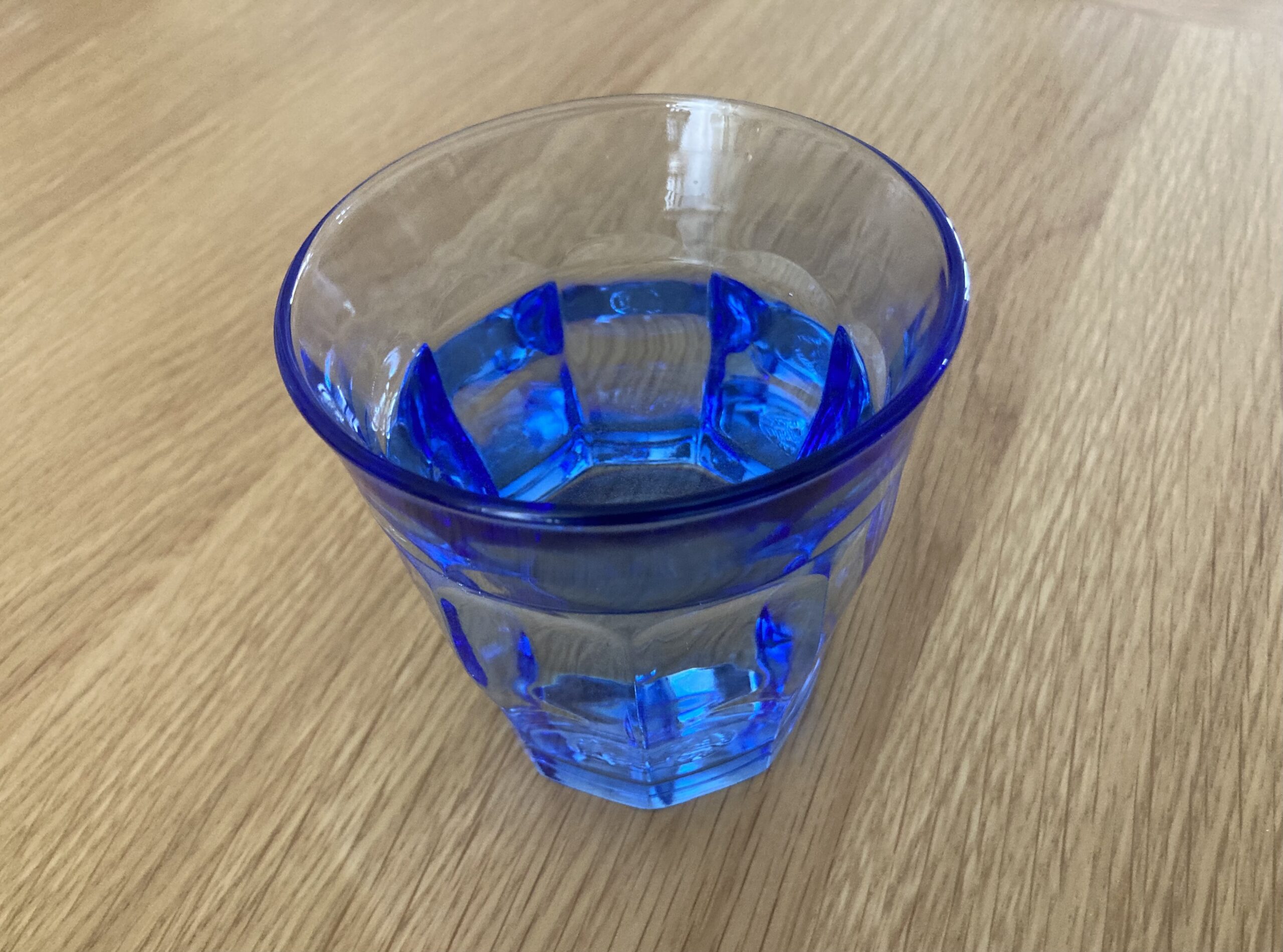
Having a glass of water to hand is pretty essential. It not only provides you with hydration but also with an opportunity to pause, should you need to.
Find out how to get to the venue
If you are needing to travel, plan ahead, know how you will be getting there, your timings and where to go.
Personal preparation
Brain Rehearsal
In the days leading up to the event, run through the whole thing in your mind, imagining it going well. This is all about visualisation. Start with getting up in the morning. Picture yourself getting out of bed and continue to visualise your whole morning routine. Then continue, getting to the event, or turning on your computer for an online one. Visualise yourself giving the presentation as you hope it will go. Picture yourself feeling confident, smiling and gaining the interest of your audience. This technique helps to prime your brain for the real thing.
Self care
General
It is very important to consider good nutrition and hydration in the lead up to the event. Remember, caffeine can worsen symptoms of anxiety (eg increase your heart rate, make you feel shaky) so you might want to avoid it. Also consider your clothing. Wear an outfit in which you feel positive, confident and good about yourself. Some of you might find something loose fitting more comfortable.
Tools for anxiety
Breathing techniques: When we start to feel anxious, we start to breathe more quickly. Learn some breathing tools that you can implement easily if necessary. Diaphragmatic breathing, in for the count of 6 and out for 8, can be a great way to calm ourselves. It would be worth doing two or three breaths just before starting your presentation.
Mindfulness: Many mindful tools are not helpful when we are being watched! However, remember that your senses can be very useful. If you start to feel anxious or panicky, say something like ‘excuse me, I just need a sip of water’. Use your senses. Look at the glass and, as you pick it up, notice how it feels (smooth? heavy? cold?) Feel the glass touch your lips and the water passing over your tongue. The process of focussing on all these sensory experiences will help you feel calmer. Another option is to have a hanky in your pocket. Pause, say you need a minute, and blow your nose. Again, be in the moment.
With good preparation and self-knowledge, along with tools for potential anxiety on the day, things should go well for you!
If you would benefit from further support with stress and/or public speaking anxiety, do get in touch.